
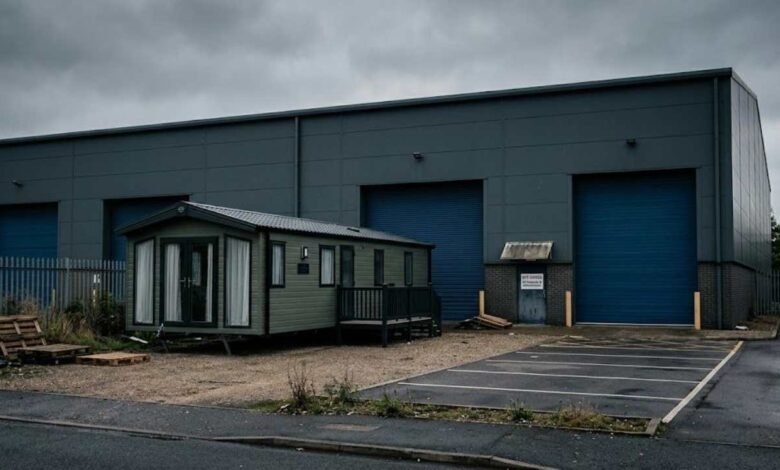
The sunseeker holiday homes administration has sent shockwaves through the UK’s leisure and manufacturing sectors. On September 7, 2026, the High Court appointed administrators to the Hull-based manufacturer of static caravans and luxury leisure lodges, with the company subsequently ceasing trading. What began as a rapid success story in 2019 has unfortunately ended in closure, putting around 76 local jobs at risk and leaving the future of the brand’s assets in the hands of restructuring experts.
For industry professionals, holiday park operators, and individual consumers, a company of this size entering administration raises several pressing questions. From the root causes of the financial collapse to the status of customer warranties and the ongoing sale of intellectual property, understanding the full scope of this event is crucial.
This comprehensive guide explores why the sunseeker holiday homes administration occurred, what is currently happening to the company’s remaining assets, what legal protections are in place, and what this significant collapse means for the broader UK holiday home market.
What Happened to Sunseeker Holiday Homes?
Following weeks of industry speculation, the High Court officially appointed Frazer Ulrick of Westgates Restructuring Limited as the administrator for Sunseeker Holiday Homes Limited on September 7, 2026. The appointment was formally published in The Gazette on September 10, confirming the company’s entry into administration.
The immediate result of the sunseeker holiday homes administration process was the cessation of trading at the company’s manufacturing facility in Hull, East Yorkshire. With production completely halted, around 76 jobs were put at risk or directly affected by the administration.
Despite recently published accounts for the year ending August 2025 stating that the company had “adequate resources to continue trading for at least 12 months,” market conditions severely worsened. The board of directors had previously attempted to mitigate financial risks by exploring new revenue opportunities, reviewing pricing structures, and implementing cost-saving measures in manufacturing. Unfortunately, these proactive efforts were not enough to overcome the immense cash flow pressures facing the business.
The Core Reasons Behind the Sunseeker Holiday Homes Administration
A business collapse of this magnitude is rarely caused by a single isolated factor. In the case of the sunseeker holiday homes administration, a combination of economic pressures, inflation, and intense market competition contributed to the company’s financial difficulties. Based on industry reports and company filings, several key elements were reported as contributing factors:
1. Severe Cash Flow Difficulties
Cash flow is the lifeblood of any manufacturing business. Sunseeker reportedly experienced crippling cash flow constraints, which may have been exacerbated by the high upfront funding required for stock and raw materials. Building luxury lodges requires significant capital investment before the final product is paid for by the holiday park or dealer. Changing market conditions also made cash-flow management more difficult.
2. Rising Operational Costs
Like many UK manufacturers, the company was heavily impacted by inflation over recent years. The rising costs of building materials, timber, energy, and transportation drastically squeezed profit margins. Additionally, the burden of wages and salaries for a sizeable workforce became increasingly unsustainable as order volumes fluctuated and overhead costs remained high.
3. Intense Market Competition
One of the most significant reported blows to the business came from larger, older, and more established competitors in the static caravan market. According to industry reports, rival manufacturers with deeper cash reserves may have been selling excess stock at a marginal loss. This aggressive pricing strategy was cited as a possible pressure that allowed competitors to clear their inventory, making it exceedingly difficult for a newer company like Sunseeker to compete on price without taking devastating financial hits.
4. Macroeconomic Headwinds
The UK leisure sector has been heavily impacted by fluctuating consumer confidence, supply chain disruptions, and consistent interest rate rises. While the “staycation” boom during and immediately after the pandemic saw a massive surge in demand for static caravans, that demand has since cooled considerably. Higher borrowing costs mean that both holiday parks and individual consumers are now much more hesitant to finance large purchases like luxury lodges.
From Rapid Growth to Sudden Closure: The Company Timeline
The trajectory leading up to the sunseeker holiday homes administration is a stark reminder of how quickly fortunes can change in the manufacturing sector.
Founded in 2019 by an experienced management team boasting over a century of combined industry knowledge, the brand achieved rapid early traction. By focusing on contemporary design, second-to-none craftsmanship, and high-quality customer service, the company secured approximately £11 million in orders during its initial trading period.
At its absolute peak, Sunseeker generated an annual turnover exceeding £16 million and established a strong national presence. The company expanded its manufacturing footprint in Hull and showcased its extensive portfolio at major industry events, including the Caravan & Motorhome Show at Birmingham’s NEC and The Great Holiday Home Show.
Over its seven-year lifespan, the brand developed a massive proprietary design library, bringing to market a product range that included the Opulence, Thornton, Supreme, Spirit Country, Solis, Zest, Ashton, Aruba, Sensation, and Infinity.
However, by mid-2026, the financial strain became highly visible. Despite an April 2025 management buyout (MBO) completed by directors Dennis Ashton and Richard Moore aimed at securing its future, the macroeconomic environment proved too hostile. These mounting pressures ultimately culminated in the September 2026 sunseeker holiday homes administration.
The Human and Consumer Impact
The immediate human cost of the sunseeker holiday homes administration is that around 76 jobs have been put at risk in the Hull area. Hull has a long, proud history of caravan and holiday home manufacturing, and this sudden threat to employment has dealt a significant blow to the local economy and the surrounding supply chain.
For consumers and holiday park operators, the collapse brings a wave of uncertainty regarding existing investments and future orders. Sunseeker Holiday Homes traditionally advertised a minimum two-year warranty on its products. However, following the sunseeker holiday homes administration, customers may face difficulties obtaining warranty repairs or enforcing contractual remedies. Customers with warranty or order-related claims are strongly advised to contact the appointed administrators for guidance on their individual circumstances.
Customers with outstanding orders, deposits, payments, or contractual claims for work-in-progress (WIP) units may have claims against the company, and they should contact the administrators to establish their individual position. The administrator, Westgates Restructuring Limited, will assess the status of these incomplete units as part of the wider asset realization process. Park operators, dealers, and private buyers caught in this situation must communicate directly with the administrators to register their claims properly.
The Asset Sale: What Hilco Global is Offering
While the original trading company has ceased operations due to the sunseeker holiday homes administration, the intellectual property and physical assets still hold substantial value. Hilco Global has been appointed as the exclusive agent to manage the sale of the company’s assets on behalf of the administrator.
The deadline for interested parties to submit initial offers was set for September 17, 2026. This acquisition presents a major opportunity for existing manufacturers or investors looking to enter the lucrative UK leisure accommodation market. The assets available for acquisition include:
-
Brand and Trademarks: Unregistered trademark rights to the highly recognizable “Sunseeker Holiday Homes” and “Sunseeker Park Homes” names, along with associated logos.
-
Proprietary CAD Library: An extensive digital archive of approximately 100 individual current and historic lodge designs, developed over seven years of innovative operation.
-
Digital Assets: Domain names, website content, promotional campaigns, floor plans, virtual tours, and established social media accounts across platforms like LinkedIn, Facebook, Instagram, and X.
-
Physical Assets: Certain work-in-progress (WIP) units at varying stages of completion, along with other tangible manufacturing assets located at the Hull site.
Securing these assets could provide a buyer with a ready-made foundation to relaunch the brand, expand an existing product range, or seamlessly integrate Sunseeker’s innovative designs into a new manufacturing pipeline.
What the Insolvency Process Means Legally
To understand what happens next, it helps to understand the legal mechanics of the process. Under the Insolvency Act 1986, administration is a formal legal process designed to handle a company that can no longer pay its debts or meet its financial obligations as they fall due.
When Frazer Ulrick was appointed as the administrator, it triggered a statutory moratorium that restricts most creditor enforcement action during the administration. This statutory moratorium halts most legal action against the company, providing a crucial “breathing space” while the administrator assesses the overall financial situation and formulates a plan.
The primary objective of an administrator is usually to rescue the company as a going concern. However, because Sunseeker Holiday Homes has completely ceased trading, a rescue of the original operational business appears highly unlikely. Given that Sunseeker Holiday Homes has ceased trading, the administrator’s work is likely to focus on achieving the statutory objectives of the administration, including maximising value for creditors.
This goal is typically achieved by selling the company’s remaining assets (like the brand, intellectual property, and stock) through specialist agents like Hilco Global. Once the sale is finalized and the costs of the administration procedure itself are covered, any remaining funds will be distributed to creditors in a strict statutory order of priority. Following this process, the eventual outcome depends entirely on the administrator’s proposals, asset realisation, and the creditor process.
The Broader Picture: Challenges in the UK Holiday Park Sector
The sunseeker holiday homes administration should not be viewed in isolation. It serves as a clear warning sign and a bellwether for the broader challenges currently facing the UK holiday lodge and static caravan industry.
During 2020 and 2021, severe travel restrictions led to a massive domestic tourism boom. Manufacturers rapidly expanded their capacities, hired new staff, and invested in larger facilities to meet an insatiable demand from holiday parks. However, as international travel normalized, the domestic staycation market began to contract.
Many manufacturers are now left with expanded operational overheads but far fewer incoming orders. When larger established manufacturers discount excess inventory, smaller and newer businesses can face additional pressure on pricing and profit margins. Moving forward, industry experts suggest the market may see further consolidation, as only the most financially robust manufacturers can weather the current economic climate.
Conclusion
The sunseeker holiday homes administration marks a disappointing end to a brand that initially brought intense innovation and high-quality craftsmanship to the UK leisure market. While the threat to local jobs and the disruption to customers are highly unfortunate, the upcoming asset sale managed by Hilco Global ensures that the impressive designs and well-regarded brand name may yet live on under new ownership. Creditors, customers, and industry watchers will now look directly to the administrators at Westgates Restructuring Limited for the final resolution of the company’s affairs.
Also Read: What Is the One In, One Out Policy? Meaning, Rules, and Decluttering Guide
FAQ
Who is handling the sunseeker holiday homes administration?
Frazer Ulrick of Westgates Restructuring Limited was officially appointed as the administrator by the High Court on September 7, 2026.
Are Sunseeker Holiday Homes still trading?
No. Following the sunseeker holiday homes administration, the company ceased trading immediately, and the manufacturing facility in Hull was closed down, putting around 76 jobs at risk.
Can I buy assets or designs from Sunseeker Holiday Homes?
Yes, but through a formalized legal process. Hilco Global was appointed as the exclusive agent to manage the sale of the company’s intellectual property, brand names, CAD design library, and physical work-in-progress units. Interested investors had to submit offers by September 17, 2026.
What happens to my Sunseeker Holiday Homes warranty?
Sunseeker Holiday Homes previously advertised a minimum two-year warranty, but customers may face difficulties obtaining warranty repairs or enforcing contractual remedies following the administration. Customers with warranty or order-related claims are advised to contact the administrators for guidance on their individual circumstances.
What were the reported causes of the sunseeker holiday homes administration?
The business reportedly suffered from severe cash flow difficulties linked to rising costs of materials and wages, high funding requirements for stock, and possible pressures on payment terms. Additionally, industry reports suggest the company was impacted by challenging market conditions, including larger, established competitors potentially selling excess stock at a marginal loss, which intensified pricing competition.
What will happen to the customers waiting for their lodges to be built?
Customers with outstanding orders, deposits, payments, or contractual claims for work-in-progress units may have claims against the company. The administrator will evaluate the status of unfinished units to determine if they can be sold to recover funds. Customers should contact the administrators to establish their individual position and find out the specific status of their orders.


One Comment