
Why Facility Managers Must Track Commercial Kitchen Appliance Repair History Across Multiple Locations

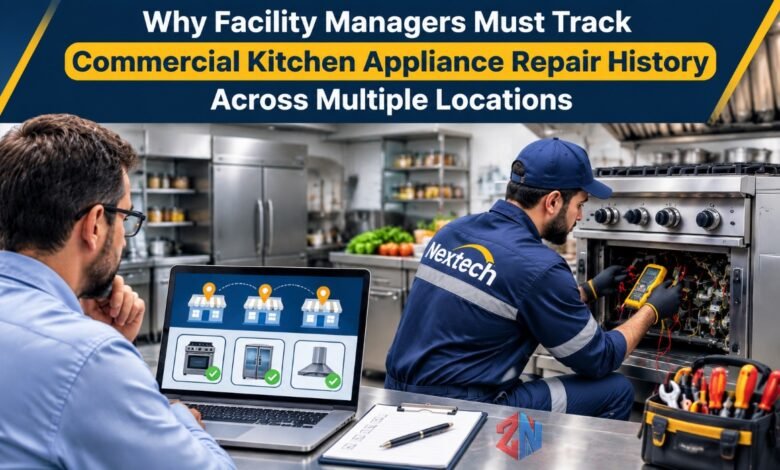
When a kitchen appliance encounters an unexpected breakdown, the first thing that needs to be done is to get operations back on track. However, for facility managers who oversee several business locations, resolving the current issue is only one part of the responsibility. They also have to understand whether the same kind of problem is occurring or how frequently individual units require attention. Across multiple locations, this becomes very challenging. That’s where a consistent record of past service work comes to the rescue. With a well-maintained history of every commercial kitchen appliance repair, tracking patterns and taking the necessary actions becomes easier.
In this post, we take a closer look at why having a well-documented history of repairs and other services is essential, especially for multi-location commercial kitchen businesses. So, let’s get started!
The Importance of Tracking All Commercial Kitchen Equipment Services for Multi-Location Businesses
When several locations depend on kitchen equipment every day, even small maintenance gaps can become difficult to manage. Consistent service records give facility managers the information they need to oversee equipment more effectively. Here are some reasons why they are important:
Planning Maintenance Better:
By reviewing previous maintenance dates and commercial kitchen equipment services details, you can track what type of work was done on which unit and when. You also get information about replaced parts and recurring issues. These details can guide future maintenance planning, which is essential for optimal performance.
Ensuring Workplace Safety:
By recording crucial particulars such as equipment condition and faults and documenting warning signs that could indicate failure, you can make the workplace safer for employees. If you find any specific patterns in these records, you can take corrective actions immediately to safeguard workers and even the customers.
Monitoring Repair and Maintenance Costs:
In your digital or handwritten records, you can also note down the cost of every repair and service visit, whether it is an emergency commercial HVAC repair or a routine preventive maintenance. Once you have all that data in one place, you can compare the spending across individual equipment units over the months.
Identifying Recurring Equipment Problems:
Make sure to maintain the repair history for each appliance separately. Don’t just limit yourself to recording the service calls; also write about the nature of the reported fault. This will help you identify which equipment is facing the most problems and whether there are any components that need repeated repairs or replacements.
Reducing Unexpected Downtime:
During routine inspections, minor issues are identified. For example, your commercial refrigeration services team may find developing problems with the refrigeration system. With the right service records, you can schedule maintenance in advance. The result is that the problem doesn’t intensify, which reduces unexpected downtime.
Simplifying Warranty Claims:
Keeping warranty documents and service records organized can make it easier for facility managers to handle warranty-related repairs across multiple locations. They should maintain details such as equipment model and serial numbers, purchase dates, warranty coverage, and previous service visits.
Making Informed Decisions:
Repair records give facility managers a clearer understanding of an appliance’s condition and maintenance history. Before approving another repair, they can review the problems reported earlier, the work already completed, and the expenses involved. If the same equipment continues to require costly commercial kitchen appliance repair, it may be worth thinking whether a replacement is a practical option.
Tracking Equipment Performance Over Time:
By documenting equipment conditions during each inspection, you can also observe changes in performance and recurring maintenance requirements. If a unit’s performance is becoming poor over time, you can take note of the same and take the corrective next steps.
Commercial Refrigeration Services and More from Nextech: Keeping Your Kitchen Equipment Running
Failures with commercial kitchen equipment can affect your operational productivity. Whether you need emergency commercial HVAC repairs or commercial refrigeration services from Nextech, they have an experienced team of technicians on board to provide the right solutions. They are focused on helping businesses address service requirements and manage equipment issues before they cause further operational challenges.
FAQs
What details should be included in a commercial kitchen equipment repair history?
A commercial kitchen equipment repair history should include the equipment name, model and serial number, date of service, reported issue, diagnosis, work performed, parts replaced, and repair costs.
Why is it important to document emergency equipment repairs?
Documenting emergency repairs helps facility managers understand what caused an unexpected breakdown, what corrective work was completed, and whether further attention is required.
How often should facility managers update equipment maintenance records?
Facility managers should update maintenance records after every inspection, commercial kitchen equipment services visit, or repair. Waiting until the end of the week or month can lead to missed details.
Can repair histories be used to plan annual maintenance budgets?
Yes. Repair histories provide a record of past service expenses, replacement parts, and recurring equipment problems. Facility managers can review this information to estimate future maintenance costs and set a budget.
Summing Up
Managing kitchen equipment across multiple locations becomes easier when facility managers have a clear picture of its service history. Documenting every commercial kitchen appliance repair, inspection, maintenance, and performance is essential for making informed decisions about repairs and replacements. Businesses can also use the entire record as a reference for planning future maintenance, estimating service costs, identifying recurring issues, and allocating resources where they are needed most.
Looking to simplify equipment maintenance across your facilities? Get in touch with Nextech to learn how their services can help your business!
Also Read: Joie Stadium Manchester: Location, Capacity, History and Visitor Guide